Five Sparks powering football for good in 2026
As this year comes to a close, at Common Goal we are looking both backward and forward—at the shifts that are influencing the football for good community, the trends emerging for 2026, and the possibilities tied to the World Cup ahead. Across continents, across organisations, and across thousands of stories from young people and leaders on the ground, one truth keeps showing up: football for good isn’t simply growing; it’s entering into a new moment of possibility.
In 2026, the question isn’t whether we’re ready for this moment. It’s how boldly we choose to meet it. The collective power of football for good - as a network, as a movement, as a belief in the power of football to change lives – has potential ready to be unlocked.
The lessons of 2025 - every innovation, every challenge, every story of resilience - are coming with us into the new year. And with them, we carry the conviction that the coming year can turn attention into investment, potential into action, and disconnection into belief in what football can make possible.
2026 is our chance to show, together, what the game can really do.
About football for good today
Too often, when people hear “football for good,” they picture something “not professional.” They think of something softer, smaller, or secondary to the “real” game. But that couldn’t be further from the truth. Football for good is the game changing lives, often quietly, but powerfully. And it is one of the most under-utilized sources of knowledge, expertise, and creativity in the entire sport. It’s a living laboratory of solutions- solutions that the wider world could learn from, especially at a time when many are searching for connection, hope, and meaning.
Football for good offers a powerful counter-narrative to the disbelief and disconnection shaping our current moment. At a time when communities feel fractured and fearful, and young people are navigating a crisis of belonging, this work is showing a different path - one rooted in trust, care, and possibility. The world has never needed football for good more than it does today.
And the momentum is real. The football for good sector is stronger than it has ever been. Even in a year marked by uncertainty and shifting resources, organisations are pushing harder, doubling down on their mission, and advocating for what their communities need most.
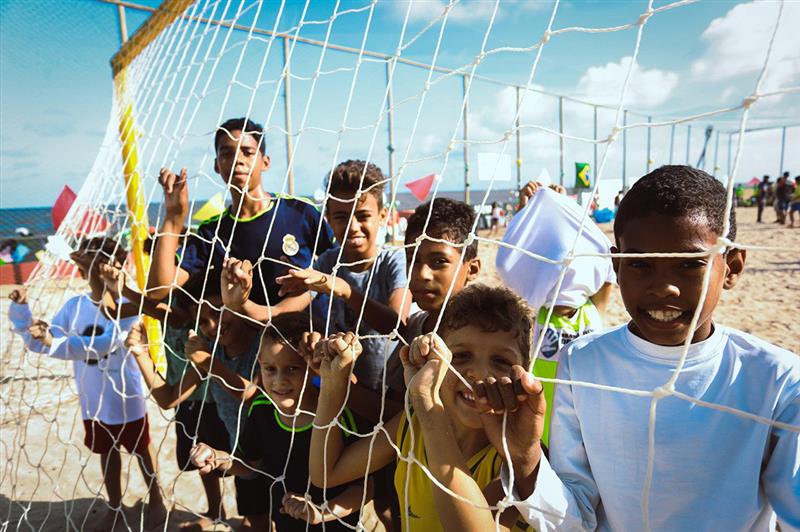
This year’s Common Goal Community Report, capturing insights from ~200 football for good organizations across over 100 countries, offers one of the clearest pictures of where the sector stands after nearly three decades of organized action. It shows a community eager to connect, learn, share, and collaborate—and it points to a movement ready for its next chapter.
If this Community – now serving 3.6 million participants annually - were a football federation it would be the third largest membership on Earth. This is not a niche; it’s a collective with a strong point of view on the true value of the global game to a person, to a community, and to the world.
Football for good is not a vague concept —in many places around the world, it’s an advanced, evidence-based practice. Methods have been tested and refined. Impact has been demonstrated over and over again: transforming communities, strengthening relationships, shifting systems, and opening doors for young people who too often face barriers both on and off the pitch.
And when you zoom out even further, football for good is a global movement harnessing the game to drive collective action on humanity’s most pressing challenges.
This is the moment to recognize its power. And this is the moment to back it.
Five sparks for 2026
We’re stepping into 2026 with insights earned through a year of collective effort, resilience, and evolution. These are five lessons that will shape how we move forward—five things we’re carrying with us as we aim to unlock even greater impact in the year ahead.
1 - The Equal Play Effect is a blueprint for collective action
The Equal Play Effect lit a spark this year, showing what collective action in football for good can truly unlock. Its five-year impact report makes it clear: together we can be stronger than the sum of our parts. The report describes Equal Play Effect as “a celebration of solidarity over status, of collective action over competition”—and that spirit has reshaped what we now see as possible.
With the FIFA Women’s World Cup 2027 in Brazil on the horizon, we have an unprecedented chance not only to accelerate gender equity across our communities, but to shape the future of women’s football from the ground up.
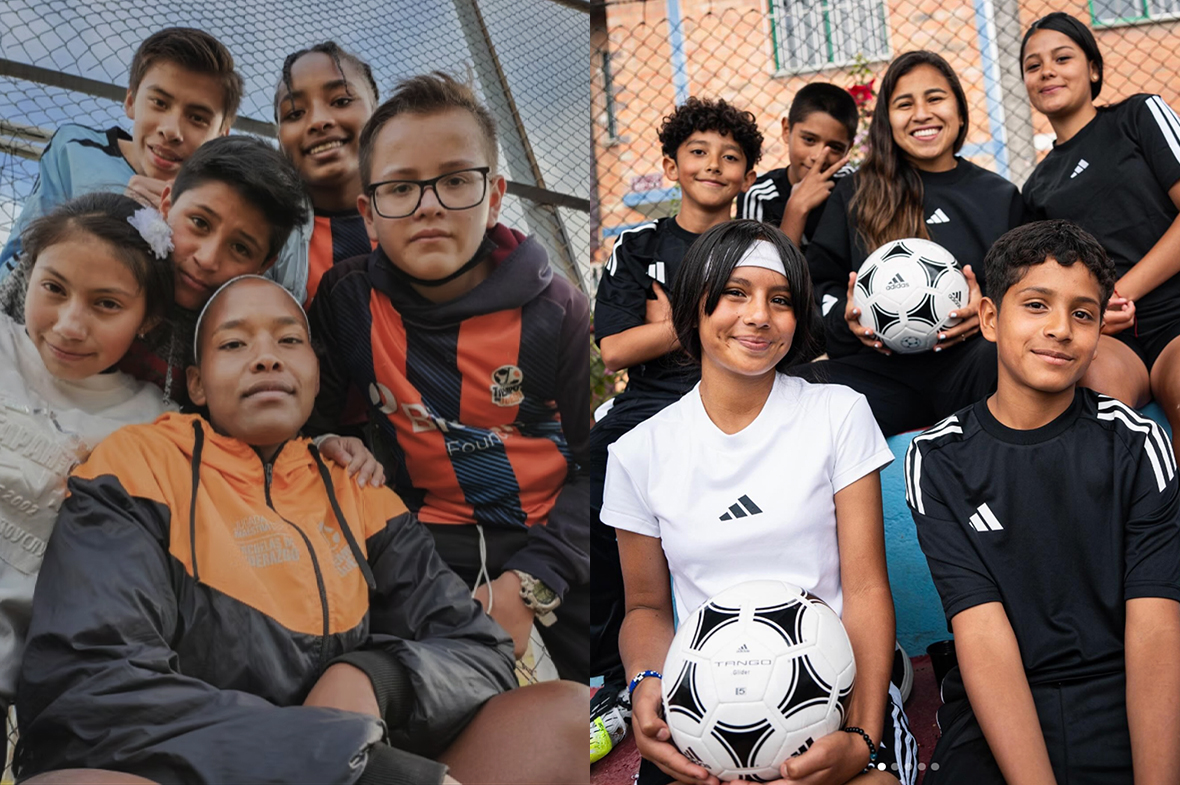
2 - Mental Health as foundational, not supplemental
One of the strongest signals of 2025 was the rising urgency around youth mental health. Young people are navigating disconnection, stress, grief, and a profound search for belonging. Football for good organizations hear this every day—not in reports, but on the sidelines, in conversations with families, and in the trust young people place in their coaches. This year we saw unprecedented investments - like the collaborative philanthropy fund from Iconiq —at the intersection of youth mental health and football for good, a sign that more stakeholders are recognizing the power of sport to meet young people where they are and meet their urgent needs.
In 2026, mental health remains core to our work. Football for good’s role is not to replace clinical systems, but to strengthen teams and organizations as communities of care. Football for good spaces already hold the ingredients young people need to feel supported: connection, consistency, trusted adults, and a sense of belonging. When we bring intention to those strengths, we can play a meaningful role in addressing the youth mental health crisis—together.
3 - The Rise of the Climate × Football Movement
In 2025, climate and football began to converge in a far more deliberate way. Initiatives like Move for the Planet and the Pitches in Peril report helped elevate a message that taking action is not optional: the pitches where we play—especially in vulnerable communities—are increasingly at risk.
There is powerful energy in the climate × football ecosystem, and that momentum will carry into 2026. The focus now is on equipping communities with the tools, infrastructure, and resources they need to adapt locally while influencing the global conversation on climate resilience. Our hope is that this work helps mainstream climate adaptation across the broader football world, not just within the football for good community.
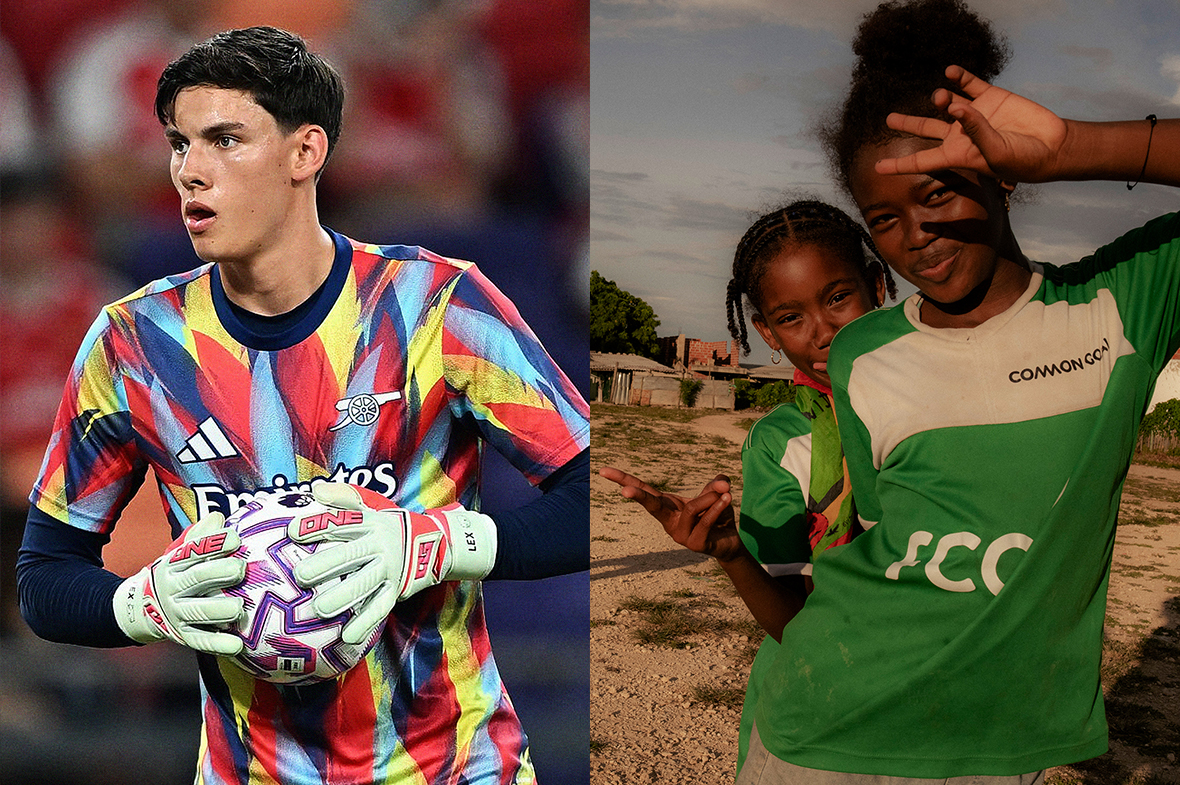
4 - FIFA World Cup 2026: A once-in-a-generation opportunity
The next generation is reshaping football—for good. Gen Z demands authenticity, purpose, and transparency from brands and institutions. They expect football to show up meaningfully on the world’s biggest challenges, not through traditional CSR or superficial ambassadorships, but through real influence and real commitment. This is where their expectations meet our mission.
The 2026 FIFA World Cup will test whether football is ready to meet this generational shift. Just as 1994 marked a turning point for soccer in the USA, the tournament’s return—now with the USA as co-host—comes at a moment of fractured societal connection. The FIFA World Cup could be a powerful catalyst for joy, unity, and shared purpose for a generation searching for these very things. But if football fails to provide that, young people will look elsewhere, creating another generational inflection point for the sport.
It’s on all of us in the football for good ecosystem—athletes, brands, organisations, and stakeholders—to create that meaning and shape a different narrative. Encouragingly, a range of new initiatives is already emerging and ready to grow. The opportunity in front of us is massive. The responsibility is, too.
5 - Football as a cultural revolution
One of the clearest lessons from 2025 is how creativity can unlock new pathways for football for good. This year showed what becomes possible when art, music, fashion, and football collide—bringing entirely new audiences into the movement.
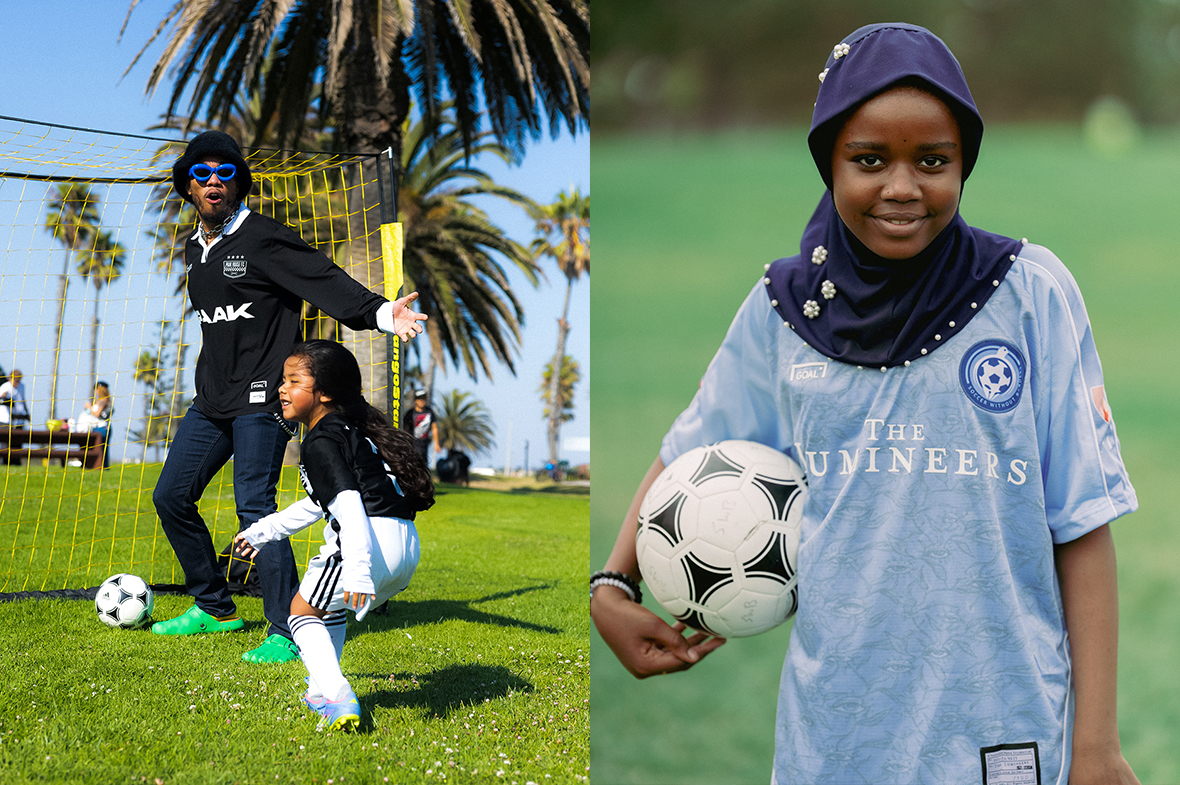
From collaborations between prominent musicians and football for good teams in their hometowns – check GOAL Projects –to co-created jersey designs between youth and professional teams, to community-inspired fashion designs with House of Tiro, to a gender-equity photo exhibition on tour, and collaborations between athletes and artists, we’ve only begun to tap the creative energy surrounding the game. When we channel that creativity with intention, it becomes a bridge to new supporters, new communities, and new possibilities.
As we enter a World Cup year, this cultural momentum offers a rare opening. 2026 can be the moment football for good steps from the margins of the sport’s story into the center of its cultural expression—alive in music, art, fashion, and the imagination of millions.
Common Goal: what lies ahead
In this shifting global landscape, Common Goal continues to push ourselves to play our best game. This year marked a pivotal moment as the Founding Associates of what began as streetfootballworld—and later evolved into Common Goal—opened the door to a next chapter of leadership. This transition moment is an opportunity to reshape our team and tactics for the changed conditions, maximising our contribution to a collective vision of an even playing field for all.
We move into 2026 with bold ambition: to seize the largest single sporting event in history as an accelerator of our collective mission. Our vision has never been clearer, our goals have never been higher, and football for good has never been stronger.